by Wavefront Software
Share
Laboratory Information Management Systems (LIMS) have become indispensable tools for organizations relying on scientific data. While core capabilities like sample tracking and workflow automation are essential, labs must leverage advanced LIMS analytics to derive greater value. The right LIMS solution empowers laboratories to evolve from just collecting data to unlocking transformational insights that optimize productivity, quality, and data-driven decisions across the organization. Read on to see some example features for improving LIMS business insights in the laboratory.
Optimizing LIMS For Analytics and Reporting
To fully capitalize on business insights, laboratories need robust analytics and reporting features built into their LIMS. Here are some key capabilities to look for:
Customizable Dashboards and KPI Monitoring
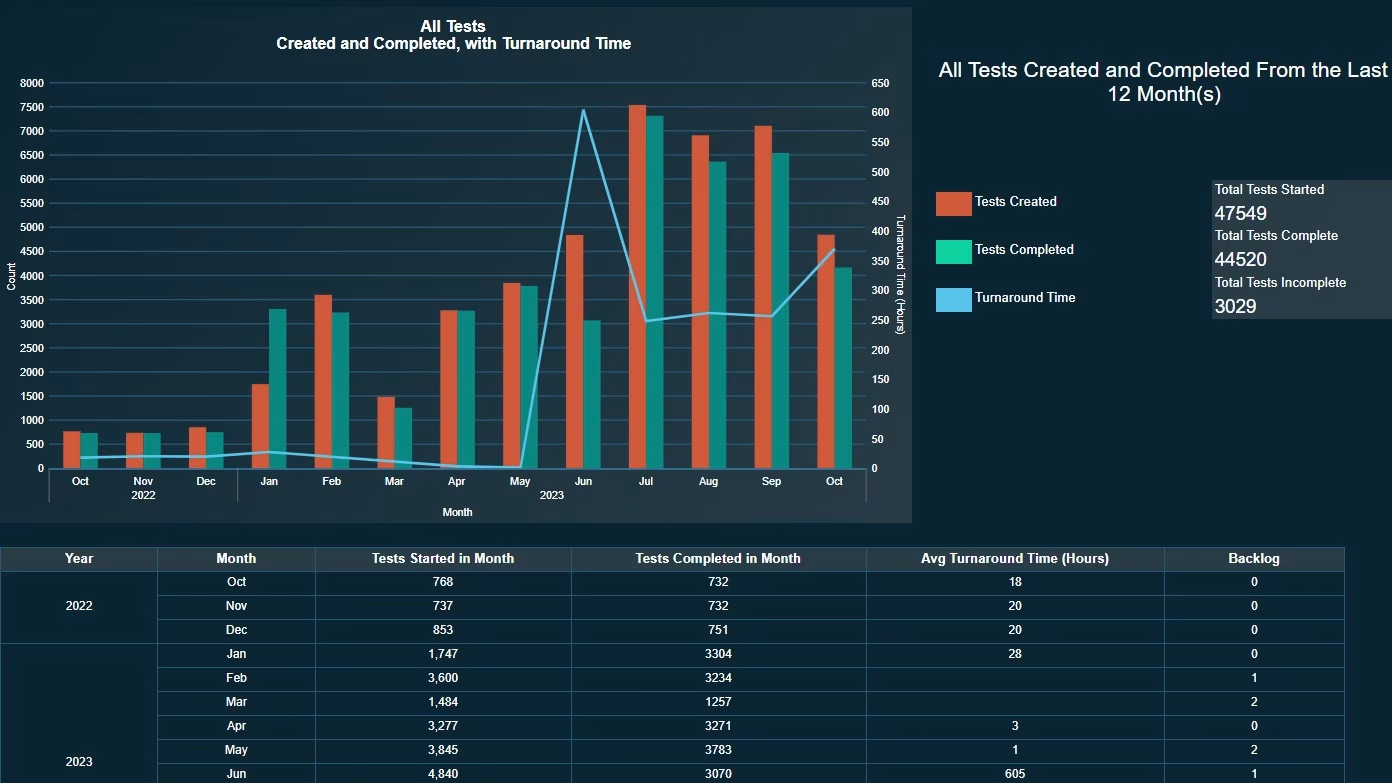
Configurable LIMS dashboards leverage workflow data to display critical metrics and KPIs like turnaround times, throughput rates, and work-in-progress visibility. Graphical data visualization enables rapid insights into operational performance.
Data Mining and Search Tools
Simplified data querying, filtering and mining within the LIMS interface empowers users to easily extract and compile relevant data for analysis. Plain language search makes finding information quick and intuitive.
Statistical Analysis and Predictive Analytics
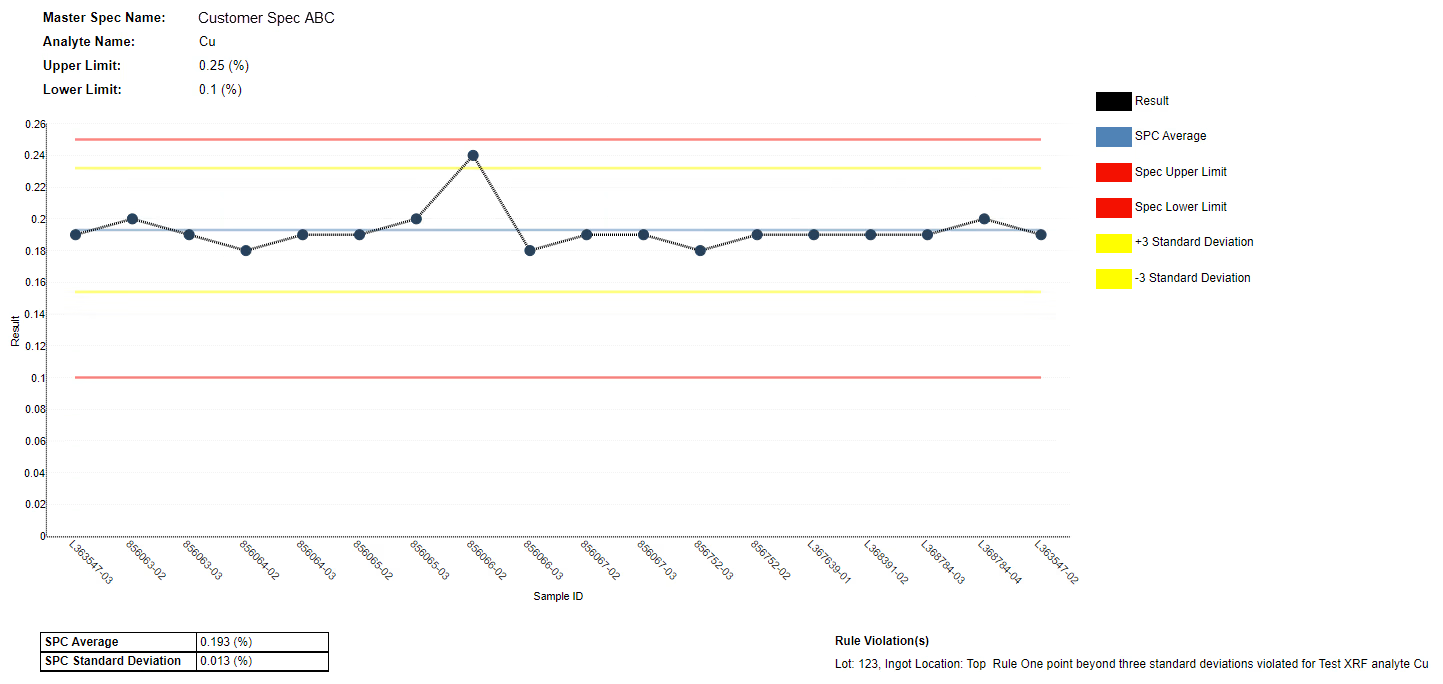
Statistical process control (SPC) tools integrated into the LIMS workflow identify out-of-control situations through real-time monitoring and control charts. Predictive analytics help flag potential issues early for preventative action.
Transforming Laboratory Data into Business Insights
With optimized analytics capabilities, a LIMS becomes a launch pad for data-driven business insights, including:
- Identifying underperforming instruments, processes and opportunities for improvement using KPI dashboards and metrics.
- Forecasting inventory requirements accurately based on historical usage trends and test volumes.
- Detecting correlations between raw material lots, process variations and product quality issues through statistical analysis.
- Optimizing staffing levels dynamically to match changing laboratory workflow volumes and throughput.
- Automating generation of reports, certificates of analysis and management reports for improved efficiency.
Conclusion: Unlocking the Potential of Laboratory Data
A robust LIMS solution empowers laboratories to fully capitalize on their scientific data. With the right analytics tools built-in, LIMS uncovers game-changing insights that bring scientific operations into alignment with wider business objectives. Organizations must leverage these capabilities to maximize their return on investment. By evolving a LIMS beyond a passive data collection system into an active asset for intelligence and competitive advantage, laboratories and enterprises can transform how data guides strategic decisions.
Schedule a free, no-obligation demo with Wavefront Software today to see how Wavefront LIMS can help your laboratory’s business thrive.
STAY IN THE LOOP
Subscribe to our Free Content
Learning about LIMS is a monthly article series where Wavefront shares questions that have come up throughout our interactions with a range of individuals and customers. We do our best to provide information about each topic to help people learn more about LIMS.
Sign up here to be added to our mailing list and receive these articles directly in your inbox.

Struggling with lab errors? Learn how to reduce lab errors using proven strategies like instrument integration, workflow automation, and real-time validation. Improve data accuracy, eliminate manual processes, and streamline your laboratory operations with a modern LIMS.

Small laboratories often struggle with manual processes, believing LIMS software is too expensive. This article explains why a modern LIMS for small labs is essential for efficiency and compliance. Learn how no-code configuration, cloud security, and ROI-focused features can professionalize your lab without the heavy IT burden.
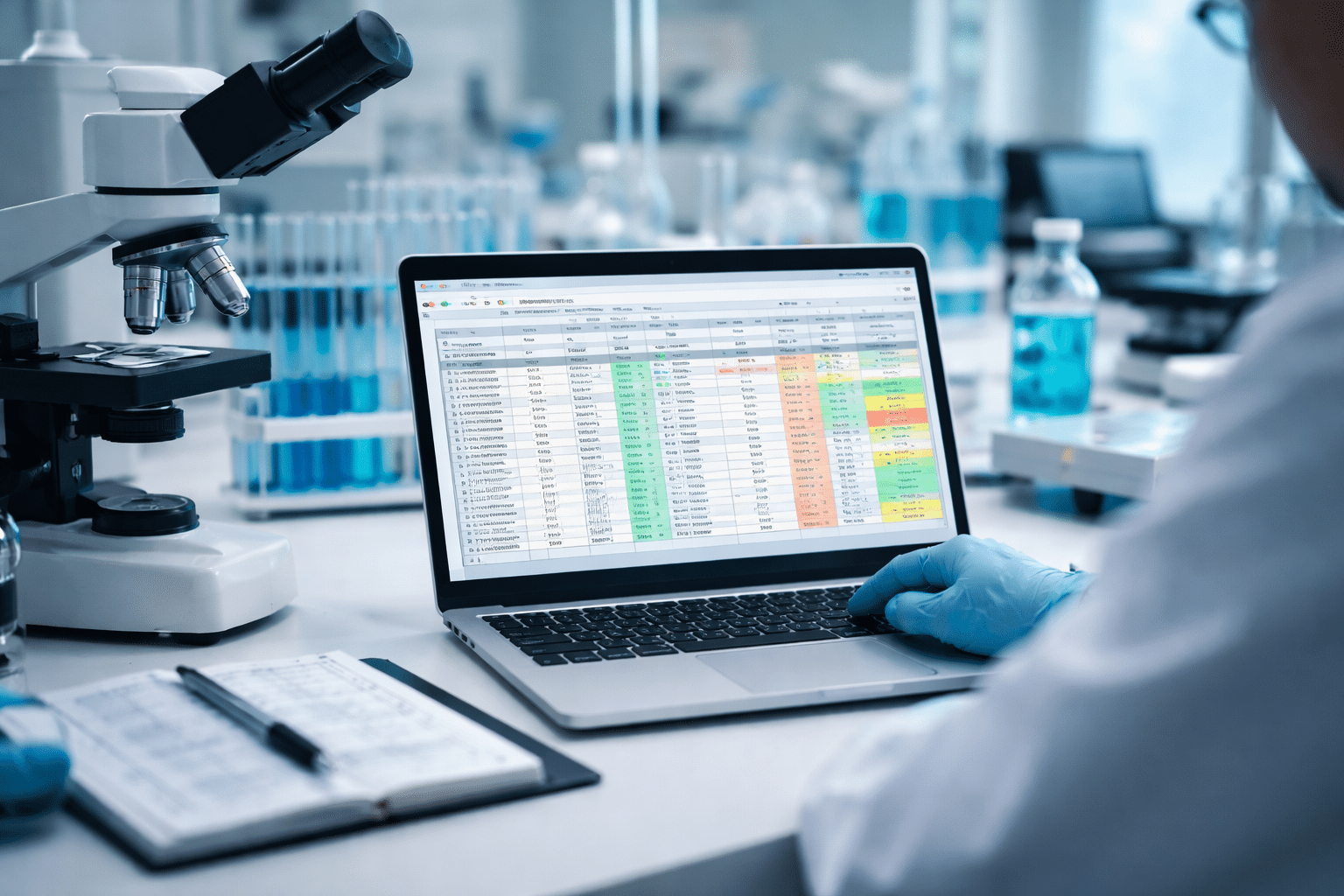
Most laboratories start out using Excel to manage samples and workflows, but as they grow, it becomes difficult to maintain a reliable LIMS workflow. Here are five signs your lab may have outgrown spreadsheets and what to do next.

In today's rapidly evolving laboratory environment, effective data management has become increasingly crucial for maintaining operational excellence and competitive advantage. Modern laboratories generate an unprecedented variety of data types, each requiring specific handling protocols and storage considerations. A robust Laboratory Information Management System (LIMS) serves as the cornerstone of efficient laboratory operations, providing comprehensive solutions for data complexity, regulatory compliance, and long-term data integrity while ensuring seamless workflow integration.